Contractor Services

Concrete Construction: Building Strong, Durable, and Long-Lasting Structures

GK Construction Solutions is one of the most essential and versatile practices in the building and construction industry. From residential homes to commercial buildings and large-scale infrastructure, concrete provides strength, durability, and reliability that few other materials can match. Its widespread use is not accidental; the combination of longevity, flexibility, and cost-effectiveness makes concrete an ideal material for modern construction projects. Understanding the scope of concrete construction, its benefits, and the techniques involved is crucial for property owners, contractors, and developers who want to ensure high-quality, lasting results.

construction services

Concrete construction involves the careful preparation, mixing, pouring, and finishing of concrete to create structural elements such as foundations, slabs, walls, and columns. The process begins with a thorough assessment of the site, including soil testing, grading, and drainage considerations. These preliminary steps are critical to ensure that the foundation or structure remains stable over time. Proper site preparation reduces the risk of cracking, settling, or structural failure in the future. Skilled construction teams evaluate every factor to ensure the concrete can perform under load, resist environmental stressors, and meet design specifications.

One of the key advantages of concrete in construction is its versatility. Concrete can be molded into virtually any shape, making it suitable for a wide variety of applications. It is used for foundations, driveways, sidewalks, retaining walls, floors, decorative panels, and structural supports. In commercial and industrial projects, concrete is also used for bridges, parking structures, and high-rise buildings. This adaptability allows designers and contractors to implement creative and functional solutions while maintaining structural integrity. Moreover, concrete can be enhanced with additives to improve strength, workability, or resistance to weathering, making it even more suitable for diverse construction projects.

Durability is another critical feature that sets concrete apart from other building materials. When properly mixed, poured, and cured, concrete can withstand heavy loads, high traffic, and exposure to the elements for decades without significant deterioration. Reinforced concrete, which includes steel rebar or mesh, further enhances the material’s tensile strength, making it ideal for supporting large structures. Concrete’s resistance to fire, pests, and water damage also contributes to its long-term reliability, ensuring that constructed buildings remain safe and stable over time. This combination of resilience and low maintenance makes concrete an attractive option for both short-term and long-term construction goals.

Concrete construction is also highly sustainable when implemented correctly. Concrete structures require fewer repairs and replacements than many other materials, reducing waste and minimizing environmental impact. In addition, the thermal mass properties of concrete help regulate indoor temperatures by absorbing and releasing heat, which can reduce energy consumption for heating and cooling. Modern concrete mixes can incorporate recycled materials such as fly ash or slag, further reducing the environmental footprint. This makes concrete an ideal choice for developers seeking sustainable, long-lasting construction solutions.

The construction process itself involves several essential steps to ensure quality and performance. First, a concrete mix is prepared to achieve the correct balance of cement, water, aggregates, and any additives needed for specific performance characteristics. Once mixed, concrete must be transported and poured carefully to avoid segregation and ensure uniform consistency. After pouring, it must be properly leveled and compacted to eliminate air pockets and ensure structural strength. Finally, the curing process allows concrete to harden gradually, achieving optimal strength and durability. Skipping or rushing any of these steps can compromise the integrity of the finished structure, highlighting the importance of professional expertise in concrete construction.

To better understand the scope of concrete construction services, here is an enumerated overview of the main types of concrete construction work:

1. Key Types of Concrete Construction

  1. Foundations and Footings – These critical components support the weight of buildings and prevent structural settling or shifting. Properly constructed foundations ensure long-term stability.
  2. Concrete Slabs – Commonly used for floors, patios, and garages, slabs provide smooth, level surfaces capable of handling heavy loads.
  3. Retaining Walls – These structures control soil erosion, stabilize slopes, and provide landscaping solutions for residential and commercial properties.
  4. Columns and Beams – Reinforced concrete columns and beams form the skeletal framework of buildings, providing strength and structural integrity.
  5. Driveways, Sidewalks, and Pathways – Concrete surfaces offer durability and low maintenance for both pedestrian and vehicle traffic areas.
  6. Decorative Concrete Elements – Stamped, stained, or polished concrete provides aesthetic appeal while maintaining functionality.
  7. Bridges and Overpasses – Concrete’s strength and load-bearing capacity make it essential in large infrastructure projects.
  8. Industrial and Commercial Floors – Heavy-duty concrete is ideal for warehouses, factories, and high-traffic commercial spaces.

Concrete construction also emphasizes repair, maintenance, and reinforcement. Even the strongest concrete can develop cracks, chips, or surface wear over time due to environmental exposure, heavy loads, or improper installation. Professional concrete construction services include techniques for repairing and reinforcing damaged areas. These may involve crack filling, resurfacing, or complete replacement of specific sections. Early detection and timely repair prevent minor issues from escalating into costly structural problems, extending the lifespan of concrete installations and maintaining safety and performance.

Another major advantage of concrete is its adaptability to modern architectural design trends. Contemporary buildings often require custom shapes, textures, and finishes that traditional materials cannot easily provide. Concrete can be poured into molds to create intricate patterns, stamped to resemble stone or brick, or polished for a high-end finish. This flexibility allows architects and builders to implement both functional and visually appealing designs without compromising strength or durability. Decorative concrete continues to grow in popularity for patios, walkways, facades, and interior flooring, providing homeowners and business owners with a versatile and stylish material.

Concrete construction is particularly important in areas prone to extreme weather or environmental stressors. Unlike materials such as wood or asphalt, concrete is resistant to fire, water, pests, and high winds. Properly reinforced concrete withstands seismic activity, heavy rains, and freeze-thaw cycles with minimal damage. This resilience ensures that both residential and commercial properties remain safe and structurally sound over long periods. Additionally, concrete requires less maintenance than many alternative building materials, making it a cost-effective option over the long term.

Project planning is a critical aspect of successful concrete construction. Every concrete project requires careful consideration of load requirements, soil conditions, environmental factors, and intended use. Construction teams often collaborate with engineers and architects to design concrete mixes, determine reinforcement needs, and schedule curing and finishing procedures. This level of detailed planning ensures that the finished structures meet safety standards, perform reliably, and achieve the desired aesthetic. Concrete construction is not just about pouring material; it is a precise process that integrates design, engineering, and skilled craftsmanship.

The installation of reinforced concrete is a key aspect of modern construction. Steel rebar or mesh embedded within the concrete enhances tensile strength and prevents cracking, particularly in high-stress areas such as foundations, columns, and bridges. Reinforced concrete is essential for structures that must endure heavy loads or dynamic forces. Proper placement and alignment of reinforcement are critical for maximizing the material’s strength and durability. In large-scale construction, such as multi-story buildings or industrial facilities, reinforced concrete is the backbone of structural integrity.

Concrete also supports sustainable construction practices. By using environmentally friendly additives, recycled materials, and energy-efficient techniques, construction teams can reduce the environmental impact of their projects. Concrete’s long lifespan reduces the need for frequent replacement, which further minimizes waste. Additionally, its thermal mass properties help regulate indoor temperatures and reduce reliance on mechanical heating and cooling systems. For environmentally conscious property owners and builders, concrete construction offers a combination of durability, efficiency, and sustainability.

Proper curing is another essential step in concrete construction that ensures maximum strength and longevity. Curing involves maintaining adequate moisture and temperature levels for a set period to allow the concrete to harden gradually. Improper or rushed curing can result in surface cracking, reduced strength, or uneven textures. Professionals employ techniques such as water curing, plastic sheeting, or curing compounds to protect concrete during this critical stage. Properly cured concrete is stronger, more durable, and better able to withstand environmental and structural stressors.

To summarize the key indicators that concrete construction may require professional attention, here is another enumerated section outlining common warning signs:

2. Signs That Concrete Requires Assessment or Repair

  1. Visible Cracks or Fractures – Can indicate structural stress, shifting, or aging, and should be evaluated immediately.
  2. Uneven Surfaces or Settling – May suggest foundation issues or soil erosion that require corrective measures.
  3. Spalling or Flaking Concrete – Surface deterioration caused by moisture, freeze-thaw cycles, or poor finishing.
  4. Water Pooling on Flat Surfaces – Poor drainage can compromise concrete integrity and lead to further damage.
  5. Discoloration or Staining – While sometimes cosmetic, it can indicate water intrusion or chemical reactions.
  6. Structural Movement or Bowing – Signs of shifting or instability that may require reinforcement or reconstruction.
  7. Erosion Around Edges – Can weaken concrete slabs, pathways, or retaining walls if not addressed.
  8. Deterioration in High-Traffic Areas – Frequent use may accelerate wear, indicating the need for resurfacing or reinforcement.

In conclusion, concrete construction is a cornerstone of modern building practices, offering unmatched strength, versatility, and long-term reliability. From foundational work to decorative finishes, professional concrete construction services ensure that structures are safe, durable, and visually appealing. Proper planning, reinforced installation, curing, and maintenance all contribute to the longevity and performance of concrete structures. By investing in skilled concrete construction, property owners, developers, and builders create lasting results that withstand environmental challenges, heavy usage, and the test of time. Whether for residential, commercial, or industrial projects, concrete remains an essential material for building strong, resilient, and functional structures that meet both practical and aesthetic needs.

Foundation Repair

Common Causes of Foundation Cracks in Residential Homes

Foundation Repair Greensboro NC

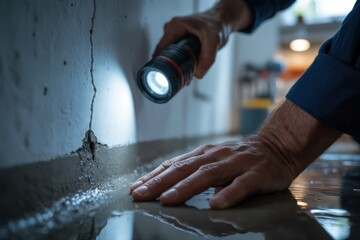
Ignoring foundation cracks can lead to serious structural damage and allow pests, moisture, and foul odors into your home. Understanding the types, causes, and severity of foundation cracks can help you spot warning signs early, allowing for prompt repair.

Signs that your foundation may be in trouble include bouncy floors, sticking doors or windows, and gaps between walls or floors. Proper landscaping, grading soil downward to direct water away from the foundation, and regular maintenance can slow or prevent serious cracking. Contact Foundation Repair Greensboro NC for more information.

Hairline Cracks

Hairline cracks are a common occurrence in foundation walls and generally pose little to no structural concern as long as they don’t widen over time. These narrow fissures often result from the natural curing process of concrete, which causes slight shrinkage and creates tiny cracks. They can also be caused by soil expansion or contraction, such as when expansive clay soils change in volume due to moisture changes.

While these types of cracks are harmless, they should be monitored and repaired promptly if they start to widen. If they are not addressed, they can lead to further damage to the wall. Homeowners can use a variety of DIY methods to fix these cracks, such as patching compounds or specialty crack fillers designed for narrow gaps. However, professional epoxy injection offers a more effective and permanent solution to these problem cracks.

Another common cause of these narrow cracks is heave, which happens when the ground underneath a foundation shifts unevenly. This causes parts of the foundation to lift up while other areas remain in place, resulting in cracking in the walls. Heave can occur from a number of sources, including soil erosion, improper construction techniques, and even excessive water infiltration.

New homes tend to experience heave more than older homes, as the building materials have not had a chance to settle yet. However, older homes can still experience heave as the soil settles or from changes in temperature that cause the building materials to expand and contract slightly.

Vertical Cracks

The appearance of vertical cracks running up and down foundation walls is an indication that there may be movement in the soil beneath the structure. While these cracks are not a structural problem in and of themselves, they can allow water to seep into the house, and they should be monitored closely for any changes over time.

Hairline cracks less than 1/8 inch wide are a common sighting in new poured concrete foundations as the building settles and cures. These cracks are a result of expansion and contraction of the concrete, and they don’t pose any significant threat to the structure.

However, if the cracks become wider or begin to show one side higher than the other, they should be considered a serious issue and inspected by a professional for repair options. The presence of vertical cracks indicates that there is pressure on the foundation from shifting and settling of the soil underneath the house, which can lead to a variety of problems.

It’s important to consult with a home inspection expert right away if you notice any horizontal cracks, regardless of their width. These cracks typically indicate that there is pressure on the foundation from unbalanced or uneven settling, which could be caused by moisture issues and changes in the drainage system around the home.

In Tennessee, it’s common for soil to move and shift as moisture levels change. This movement can put stress on the foundation, leading to movement in the walls and other symptoms such as hairline cracks. If left untreated, these cracks can worsen over time and threaten the structural integrity of the house. A professional foundation specialist can recommend solutions such as helical piles to transfer the loads of the house from the weak soil to a layer of stronger, more stable ground.

Horizontal Cracks

Hairline cracks that run horizontally across a wall can be caused by numerous factors. These include hydrostatic pressure, expansive soil, and heave (the shifting of earth beneath your foundation), which can all exert forces on the walls. These forces can cause the wall to weaken, causing them to shift and bow.

In addition, these cracks can also be a sign of a more serious issue if they continue to grow or expand over time. The presence of these cracks should prompt you to get in touch with a foundation specialist to identify the underlying cause.

These cracks are typically wider at the top or bottom of the wall than they are in the middle. They are often caused by the natural settling process as concrete cures, and while they don’t pose a structural threat, they can still allow moisture into the home.

If these cracks are accompanied by water seepage, they should be taken seriously and addressed immediately to prevent further damage. The best solution is to contact a foundation expert for an inspection and to determine the best repair method. These methods can range from the use of carbon fiber wall straps to stabilize walls under pressure from expanding soil, to using wall anchors to counteract external forces like ground pressure.

Diagonal Cracks

Although horizontal cracks get a lot of attention, diagonal crack patterns are also common and often signal the same type of movement that necessitates foundation repair. Like horizontal cracks, diagonal ones are caused by shifts in soil moisture levels that cause concrete to expand and contract unevenly. These changes put strain on walls in different places which causes the cracking pattern.

Similar to hairline cracks, shrinkage cracks occur when a newly poured concrete foundation loses moisture in the early stages of curing. These are usually cosmetic cracks and don’t pose any structural problems in new homes. However, it is important to keep an eye on these and monitor them for any growth over time.

If you live in a block-work basement, it’s not uncommon to see these cracks which are named for their appearance that resembles a set of stairs running along the mortar joints between blocks. Stair-step cracks may run vertically, horizontally, or diagonally. They are caused by the same factors as other types of foundation cracks including changes in moisture levels, differential settlement, and movement of the earth beneath your home.

While a wide range of reasons can contribute to the formation of foundation cracks, there are several things that you can do as a homeowner to help slow down this process and minimize further damage to your home. These include ensuring that your gutters are functioning properly to direct water away from your home, keeping tree roots trimmed near the foundation of your house, and checking the perimeter of your property for any pooling of water after storms. Using a crack monitoring device and marking the ends of cracks to document their size over time can also help identify when it is time to call a professional for an assessment and repair estimate.

Stair-Step Cracks

Stair-step cracks in brick or concrete block foundation walls act as a warning signal and indicate a serious issue. This type of cracking is most likely caused by soil settlement or movement within the concrete foundation. It’s important for homeowners to recognize these distinctive zig-zag patterns and seek help. Stair-step cracks usually appear along the mortar joints and are wider in some areas than others. As they continue to widen and deepen, they may threaten the load-bearing capacity of your home’s foundation and lead to structural damage.

Unlike vertical cracks, stair-step cracks are a common sign of a serious problem in a poured concrete foundation. These cracks often occur shortly after construction and are typically the result of shifting in the foundation, heaving of the surrounding soil or water infiltration into the basement or crawl space.

This type of cracking can also be caused by subpar foundation construction. Poor reinforcement, improper concrete curing, or inadequate concrete mixing can lead to weak spots in the foundation that are prone to cracking over time. It is important to consult with a qualified foundation repair specialist to determine the cause of these cracks and develop a plan for remediation.

Leaving foundation cracks unaddressed will worsen over time and can affect your home’s integrity, safety, and market value. In addition, moisture-related issues can cause mold growth, rot of wood components, and unhealthy indoor air quality. Having your foundation inspected and repaired early can save you significant time, money, and peace of mind. In the long run, it will prevent costly repairs and protect your investment. Contact a qualified foundation repair specialist today to schedule an inspection and consultation.

Home Improvement

Reviving Spaces Through the Art of Cabinet Refinishing

A fresh surface can change the way a room feels. Cabinet refinishing is one of those subtle yet powerful transformations that turns dull interiors into welcoming spaces. It is more than just altering appearances; it’s about preserving character while introducing new energy. People choose this approach not only for aesthetics but also for the balance it offers between cost, sustainability, and creativity.

Cabinet Refinishing

At its core, cabinet refinishing is the process of renewing the existing material rather than replacing it. The surface is stripped, sanded, repaired, and coated with new finishes to give it a second life. Unlike full replacements that require tearing out the old framework, refinishing keeps the structure intact while transforming the exterior. This makes it an appealing choice for those who value resourcefulness and subtle sophistication. Contact Cabinet Refinishing Modesto for professional help.

Many underestimate the potential that lies beneath an old cabinet surface. Years of wear, moisture, and repeated use can make cabinetry appear beyond saving. Yet refinishing techniques are capable of restoring even heavily aged surfaces into something remarkable. This practice has evolved far beyond a simple paint job; it now involves advanced coatings, sealing systems, and precision methods that ensure durability and beauty.

One of the most significant reasons homeowners and designers turn to refinishing is its cost efficiency. Full cabinet replacements can be expensive, especially when custom fabrication is involved. Refinishing, however, leverages what already exists, reducing material waste and labor costs. The result is a visually stunning transformation at a fraction of the price.

The environmental advantages of refinishing are another compelling reason behind its growing popularity. Instead of sending old cabinets to landfills, refinishing extends their lifespan and reduces the demand for new raw materials. This approach aligns with sustainable living values, allowing individuals to refresh their surroundings without leaving a large ecological footprint.

Cabinet refinishing also provides incredible flexibility in terms of design. A single space can be dramatically altered simply by changing finishes, colors, or surface textures. Light hues can make a small kitchen feel spacious, while dark tones can create an atmosphere of sophistication and depth. The options are endless, and refinishing provides the creative freedom to experiment without a complete overhaul.

One fascinating development in modern refinishing is the rise of specialized finishes. Traditional paint and stain are now joined by textured coatings, matte seals, and layered techniques that mimic high-end materials. These advancements allow cabinetry to resemble exotic woods or metallic surfaces without the associated cost or maintenance. It’s a perfect marriage of artistry and practicality.

Preparation is a crucial step that determines the quality and longevity of a refinishing project. The process often begins with removing existing coatings and repairing any structural flaws. Proper cleaning and sanding ensure the new finish bonds effectively and remains durable over time. Skipping these foundational steps can result in uneven results or premature wear.

Once the surface is ready, the choice of finish plays a pivotal role in the final outcome. Staining enhances the natural grain of wood and brings warmth and depth. Painting offers a completely new palette and allows customization down to the finest detail. Sealing with protective layers ensures resistance to moisture, heat, and scratches, extending the cabinet’s life significantly.

For those seeking a more bespoke look, techniques like glazing, distressing, and color washing introduce character and uniqueness. Glazing can add a sense of depth and dimension, while distressing creates a vintage aesthetic with intentional imperfections. These artistic touches transform basic cabinetry into statement pieces that tell a story within the home.

The refinishing process also opens opportunities to subtly modernize outdated designs. By updating hardware, adjusting trim details, or adding decorative panels, cabinets can bridge the gap between classic structure and contemporary taste. This blend of old and new ensures that the space feels refreshed without erasing its original charm.

Maintenance following refinishing is straightforward but essential for preserving the results. Regular cleaning with non-abrasive solutions prevents buildup that can dull the surface. Avoiding excessive moisture and heat exposure helps maintain the integrity of the finish. With proper care, refinished cabinets can maintain their beauty for many years.

Another intriguing trend is the use of eco-friendly and low-VOC finishes. As awareness about indoor air quality grows, refinishing solutions that minimize harmful emissions are gaining traction. These products deliver excellent performance while contributing to a healthier home environment. It’s a small detail that reflects a larger shift toward conscious living.

Cabinet refinishing isn’t limited to kitchens or bathrooms. It can elevate spaces such as home offices, living rooms, or built-in storage areas as well. Anywhere cabinetry exists, refinishing offers an opportunity to refresh and redefine the space without major structural changes. This adaptability is part of what makes it so valuable in interior design.

The skill and craftsmanship involved in refinishing should not be underestimated. Attention to detail is required at every stage, from surface preparation to final sealing. Experienced hands can achieve a flawless finish that looks as though the cabinetry was custom-made for the space. It’s a craft that blends technical precision with artistic vision.

Homeowners often discover that refinishing changes more than just the look of their cabinets. It influences the atmosphere of the entire room, affecting how people experience the space. A newly refinished surface can make a kitchen more inviting, a bathroom more serene, or a workspace more inspiring. Small changes in tone, texture, and sheen can transform how a room feels.

Even for those considering future renovations, refinishing offers a practical interim solution. It allows for significant aesthetic improvement without committing to a full remodel. This flexibility is especially valuable when budgets are tight or when long-term plans are still evolving. Refinishing bridges the gap between current needs and future visions.

There’s also an emotional dimension to cabinet refinishing that often goes unnoticed. Restoring original cabinetry can preserve memories and craftsmanship that newer models might lack. It’s a way of honoring the history of a home while updating it for modern living. This balance of heritage and innovation adds depth and meaning to any renovation project.

The resurgence of interest in craftsmanship and personalization has also fueled refinishing’s popularity. People increasingly value bespoke interiors that reflect their personality and style. Refinishing provides a canvas for that expression without requiring a full rebuild. It proves that customization doesn’t always require starting from scratch.

From a property value perspective, refinishing can deliver impressive returns. Updated cabinetry enhances the appeal of a space to potential buyers and renters alike. It signals care, maintenance, and attention to detail — qualities that can significantly influence perceptions of a home. This subtle yet impactful upgrade often pays for itself many times over.

For those who enjoy hands-on projects, cabinet refinishing can even become a fulfilling DIY endeavor. With the right tools, materials, and patience, many homeowners achieve professional-level results. The process can be rewarding not just for the final outcome but also for the creative journey it involves. However, for intricate or large-scale projects, skilled professionals bring an unmatched level of expertise.

Refinishing continues to evolve as new technologies and materials emerge. Advanced surface treatments now improve scratch resistance, durability, and ease of cleaning. Innovations in application methods make finishes smoother and more uniform. These developments ensure that cabinet refinishing remains a forward-looking solution rather than a traditional one.

The psychology behind refinished interiors is worth noting too. Humans respond strongly to their environment, and small visual updates can influence mood and productivity. A refreshed space feels cleaner, brighter, and more inviting. In this way, refinishing is not just a design decision but an investment in daily well-being.

Ultimately, cabinet refinishing is a testament to the idea that renewal doesn’t always require replacement. It demonstrates how existing materials, when treated with skill and creativity, can be transformed into something extraordinary. It merges practicality with artistry, function with beauty, and history with modernity. That balance is what makes it one of the most powerful yet understated forms of interior transformation.

What began as a simple way to refresh surfaces has become a sophisticated design strategy. It empowers people to reimagine their spaces without waste, excessive cost, or disruption. And it proves that sometimes, the most remarkable transformations come not from building something new but from rediscovering the potential in what’s already there. In the world of interior design, cabinet refinishing stands as a quiet but transformative art — one that breathes new life into the familiar and turns ordinary rooms into extraordinary spaces.

Uncategorized

Transform Your Living Space with Smart Home Improvement

Home is more than just a place to live—it is a reflection of lifestyle, personality, and comfort. Home improvement is the key to creating a space that is functional, aesthetically pleasing, and tailored to the needs of those who live there. Whether it involves small upgrades or major renovations, home improvement allows homeowners to enhance the value, efficiency, and overall experience of their living environment. With thoughtful planning and creativity, any space can be transformed into a more enjoyable and functional home.

One of the most common areas for home improvement is the kitchen. As the heart of the home, the kitchen is often the center of family gatherings and social interactions. Upgrading cabinets, countertops, or appliances can significantly enhance both the functionality and appearance of this space. Adding storage solutions, such as pull-out shelves or customized pantry organization, improves accessibility and efficiency. Selecting durable and stylish materials can also elevate the overall look, creating a kitchen that is both practical and visually appealing. Even minor changes, such as new fixtures or updated lighting, can make a noticeable difference in the ambiance and usability of the kitchen.

home improvement

Bathrooms are another prime focus for home improvement. Modernizing bathrooms can involve replacing outdated fixtures, installing water-efficient faucets and showers, or updating tiles and flooring. Small changes like new mirrors, lighting, or storage solutions can have a significant impact on the functionality and style of the space. A well-designed bathroom not only enhances comfort and convenience but also contributes to the overall value of a home. With attention to detail, homeowners can create a spa-like atmosphere that offers relaxation and rejuvenation daily.

Living spaces such as bedrooms and living rooms benefit greatly from thoughtful home improvement projects. Upgrading flooring, repainting walls, or installing energy-efficient windows can dramatically change the look and feel of these areas. Open floor plans, strategic furniture placement, and multi-functional designs can improve flow and usability, making spaces feel larger and more welcoming. Incorporating lighting solutions that combine natural and artificial light enhances mood and ambiance, while attention to décor and finishes adds personality and warmth.

Exterior home improvements are equally important, as they influence curb appeal and the first impression of a property. Landscaping, painting, and structural updates such as new siding or roofing can significantly enhance the appearance and durability of a home. Outdoor living areas, including patios, decks, and gardens, provide additional space for relaxation and entertainment. Adding features like walkways, planters, or outdoor lighting can create a welcoming environment while increasing the property’s overall value. A well-maintained exterior signals care and attention, making home improvement investments both practical and visually rewarding.

Energy efficiency is another critical consideration in modern home improvement. Installing energy-efficient windows, doors, insulation, and appliances not only reduces utility bills but also contributes to environmental sustainability. Solar panels, smart thermostats, and energy-efficient lighting systems provide long-term savings while improving comfort and functionality. Homeowners increasingly recognize the value of sustainable upgrades that benefit both their lifestyle and the environment, making energy-conscious improvements an integral part of any home improvement plan.

Safety and accessibility are essential aspects of home improvement that enhance the quality of life. Adding features like non-slip flooring, secure handrails, or well-lit pathways improves safety for all residents. For individuals with mobility challenges, designing accessible spaces with ramps, wider doorways, or adaptive fixtures ensures comfort and independence. Thoughtful improvements that address safety and accessibility not only make a home more functional but also demonstrate consideration for the well-being of residents and guests.

Storage solutions play a significant role in home improvement projects. An efficient organization helps maximize space and maintain a clutter-free environment. Custom closets, built-in shelving, and multifunctional furniture provide practical solutions for storing belongings while maintaining an orderly and attractive space. Adequate storage enhances the usability of each room, making daily living more convenient and stress-free. Organized spaces also contribute to a sense of calm and efficiency, which improves the overall quality of life in the home.

Home improvement is not limited to large-scale renovations. Small upgrades, such as repainting walls, replacing hardware, or updating lighting fixtures, can create a refreshed and modernized look. Even minor changes can transform the feel of a room, offering a new perspective and renewed appreciation for the living space. Regular maintenance and periodic upgrades prevent deterioration, protect investments, and ensure that a home remains comfortable and appealing over time.

Technology integration has become a growing trend in home improvement. Smart home systems for lighting, security, and climate control allow homeowners to manage their living environment with convenience and precision. Automated solutions enhance comfort, efficiency, and safety, while providing a modern edge to the home. Incorporating technology into home improvement projects ensures that the property remains functional, adaptable, and in line with contemporary living standards.

In conclusion, home improvement is a multifaceted process that enhances both the appearance and functionality of a home. Whether upgrading interiors like kitchens and bathrooms, enhancing living spaces, or improving exteriors and energy efficiency, thoughtful improvements contribute to comfort, convenience, and overall satisfaction. Incorporating safety, accessibility, storage solutions, and modern technology ensures that a home remains practical, stylish, and adaptable to the evolving needs of its residents. From minor upgrades to extensive renovations, home improvement empowers homeowners to transform their spaces, elevate their quality of life, and create a home that truly reflects their personality and lifestyle.