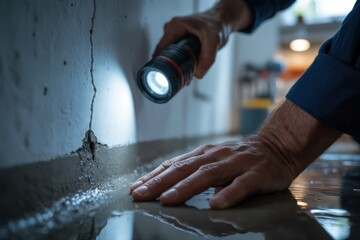
Ignoring foundation cracks can lead to serious structural damage and allow pests, moisture, and foul odors into your home. Understanding the types, causes, and severity of foundation cracks can help you spot warning signs early, allowing for prompt repair.
Signs that your foundation may be in trouble include bouncy floors, sticking doors or windows, and gaps between walls or floors. Proper landscaping, grading soil downward to direct water away from the foundation, and regular maintenance can slow or prevent serious cracking. Contact Foundation Repair Greensboro NC for more information.
Hairline Cracks
Hairline cracks are a common occurrence in foundation walls and generally pose little to no structural concern as long as they don’t widen over time. These narrow fissures often result from the natural curing process of concrete, which causes slight shrinkage and creates tiny cracks. They can also be caused by soil expansion or contraction, such as when expansive clay soils change in volume due to moisture changes.
While these types of cracks are harmless, they should be monitored and repaired promptly if they start to widen. If they are not addressed, they can lead to further damage to the wall. Homeowners can use a variety of DIY methods to fix these cracks, such as patching compounds or specialty crack fillers designed for narrow gaps. However, professional epoxy injection offers a more effective and permanent solution to these problem cracks.
Another common cause of these narrow cracks is heave, which happens when the ground underneath a foundation shifts unevenly. This causes parts of the foundation to lift up while other areas remain in place, resulting in cracking in the walls. Heave can occur from a number of sources, including soil erosion, improper construction techniques, and even excessive water infiltration.
New homes tend to experience heave more than older homes, as the building materials have not had a chance to settle yet. However, older homes can still experience heave as the soil settles or from changes in temperature that cause the building materials to expand and contract slightly.
Vertical Cracks
The appearance of vertical cracks running up and down foundation walls is an indication that there may be movement in the soil beneath the structure. While these cracks are not a structural problem in and of themselves, they can allow water to seep into the house, and they should be monitored closely for any changes over time.
Hairline cracks less than 1/8 inch wide are a common sighting in new poured concrete foundations as the building settles and cures. These cracks are a result of expansion and contraction of the concrete, and they don’t pose any significant threat to the structure.
However, if the cracks become wider or begin to show one side higher than the other, they should be considered a serious issue and inspected by a professional for repair options. The presence of vertical cracks indicates that there is pressure on the foundation from shifting and settling of the soil underneath the house, which can lead to a variety of problems.
It’s important to consult with a home inspection expert right away if you notice any horizontal cracks, regardless of their width. These cracks typically indicate that there is pressure on the foundation from unbalanced or uneven settling, which could be caused by moisture issues and changes in the drainage system around the home.
In Tennessee, it’s common for soil to move and shift as moisture levels change. This movement can put stress on the foundation, leading to movement in the walls and other symptoms such as hairline cracks. If left untreated, these cracks can worsen over time and threaten the structural integrity of the house. A professional foundation specialist can recommend solutions such as helical piles to transfer the loads of the house from the weak soil to a layer of stronger, more stable ground.
Horizontal Cracks
Hairline cracks that run horizontally across a wall can be caused by numerous factors. These include hydrostatic pressure, expansive soil, and heave (the shifting of earth beneath your foundation), which can all exert forces on the walls. These forces can cause the wall to weaken, causing them to shift and bow.
In addition, these cracks can also be a sign of a more serious issue if they continue to grow or expand over time. The presence of these cracks should prompt you to get in touch with a foundation specialist to identify the underlying cause.
These cracks are typically wider at the top or bottom of the wall than they are in the middle. They are often caused by the natural settling process as concrete cures, and while they don’t pose a structural threat, they can still allow moisture into the home.
If these cracks are accompanied by water seepage, they should be taken seriously and addressed immediately to prevent further damage. The best solution is to contact a foundation expert for an inspection and to determine the best repair method. These methods can range from the use of carbon fiber wall straps to stabilize walls under pressure from expanding soil, to using wall anchors to counteract external forces like ground pressure.
Diagonal Cracks
Although horizontal cracks get a lot of attention, diagonal crack patterns are also common and often signal the same type of movement that necessitates foundation repair. Like horizontal cracks, diagonal ones are caused by shifts in soil moisture levels that cause concrete to expand and contract unevenly. These changes put strain on walls in different places which causes the cracking pattern.
Similar to hairline cracks, shrinkage cracks occur when a newly poured concrete foundation loses moisture in the early stages of curing. These are usually cosmetic cracks and don’t pose any structural problems in new homes. However, it is important to keep an eye on these and monitor them for any growth over time.
If you live in a block-work basement, it’s not uncommon to see these cracks which are named for their appearance that resembles a set of stairs running along the mortar joints between blocks. Stair-step cracks may run vertically, horizontally, or diagonally. They are caused by the same factors as other types of foundation cracks including changes in moisture levels, differential settlement, and movement of the earth beneath your home.
While a wide range of reasons can contribute to the formation of foundation cracks, there are several things that you can do as a homeowner to help slow down this process and minimize further damage to your home. These include ensuring that your gutters are functioning properly to direct water away from your home, keeping tree roots trimmed near the foundation of your house, and checking the perimeter of your property for any pooling of water after storms. Using a crack monitoring device and marking the ends of cracks to document their size over time can also help identify when it is time to call a professional for an assessment and repair estimate.
Stair-Step Cracks
Stair-step cracks in brick or concrete block foundation walls act as a warning signal and indicate a serious issue. This type of cracking is most likely caused by soil settlement or movement within the concrete foundation. It’s important for homeowners to recognize these distinctive zig-zag patterns and seek help. Stair-step cracks usually appear along the mortar joints and are wider in some areas than others. As they continue to widen and deepen, they may threaten the load-bearing capacity of your home’s foundation and lead to structural damage.
Unlike vertical cracks, stair-step cracks are a common sign of a serious problem in a poured concrete foundation. These cracks often occur shortly after construction and are typically the result of shifting in the foundation, heaving of the surrounding soil or water infiltration into the basement or crawl space.
This type of cracking can also be caused by subpar foundation construction. Poor reinforcement, improper concrete curing, or inadequate concrete mixing can lead to weak spots in the foundation that are prone to cracking over time. It is important to consult with a qualified foundation repair specialist to determine the cause of these cracks and develop a plan for remediation.
Leaving foundation cracks unaddressed will worsen over time and can affect your home’s integrity, safety, and market value. In addition, moisture-related issues can cause mold growth, rot of wood components, and unhealthy indoor air quality. Having your foundation inspected and repaired early can save you significant time, money, and peace of mind. In the long run, it will prevent costly repairs and protect your investment. Contact a qualified foundation repair specialist today to schedule an inspection and consultation.