GK Construction Solutions is one of the most essential and versatile practices in the building and construction industry. From residential homes to commercial buildings and large-scale infrastructure, concrete provides strength, durability, and reliability that few other materials can match. Its widespread use is not accidental; the combination of longevity, flexibility, and cost-effectiveness makes concrete an ideal material for modern construction projects. Understanding the scope of concrete construction, its benefits, and the techniques involved is crucial for property owners, contractors, and developers who want to ensure high-quality, lasting results.
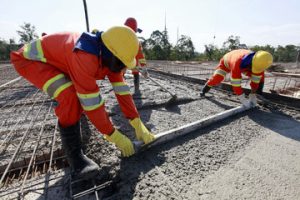
Concrete construction involves the careful preparation, mixing, pouring, and finishing of concrete to create structural elements such as foundations, slabs, walls, and columns. The process begins with a thorough assessment of the site, including soil testing, grading, and drainage considerations. These preliminary steps are critical to ensure that the foundation or structure remains stable over time. Proper site preparation reduces the risk of cracking, settling, or structural failure in the future. Skilled construction teams evaluate every factor to ensure the concrete can perform under load, resist environmental stressors, and meet design specifications.
One of the key advantages of concrete in construction is its versatility. Concrete can be molded into virtually any shape, making it suitable for a wide variety of applications. It is used for foundations, driveways, sidewalks, retaining walls, floors, decorative panels, and structural supports. In commercial and industrial projects, concrete is also used for bridges, parking structures, and high-rise buildings. This adaptability allows designers and contractors to implement creative and functional solutions while maintaining structural integrity. Moreover, concrete can be enhanced with additives to improve strength, workability, or resistance to weathering, making it even more suitable for diverse construction projects.
Durability is another critical feature that sets concrete apart from other building materials. When properly mixed, poured, and cured, concrete can withstand heavy loads, high traffic, and exposure to the elements for decades without significant deterioration. Reinforced concrete, which includes steel rebar or mesh, further enhances the material’s tensile strength, making it ideal for supporting large structures. Concrete’s resistance to fire, pests, and water damage also contributes to its long-term reliability, ensuring that constructed buildings remain safe and stable over time. This combination of resilience and low maintenance makes concrete an attractive option for both short-term and long-term construction goals.
Concrete construction is also highly sustainable when implemented correctly. Concrete structures require fewer repairs and replacements than many other materials, reducing waste and minimizing environmental impact. In addition, the thermal mass properties of concrete help regulate indoor temperatures by absorbing and releasing heat, which can reduce energy consumption for heating and cooling. Modern concrete mixes can incorporate recycled materials such as fly ash or slag, further reducing the environmental footprint. This makes concrete an ideal choice for developers seeking sustainable, long-lasting construction solutions.
The construction process itself involves several essential steps to ensure quality and performance. First, a concrete mix is prepared to achieve the correct balance of cement, water, aggregates, and any additives needed for specific performance characteristics. Once mixed, concrete must be transported and poured carefully to avoid segregation and ensure uniform consistency. After pouring, it must be properly leveled and compacted to eliminate air pockets and ensure structural strength. Finally, the curing process allows concrete to harden gradually, achieving optimal strength and durability. Skipping or rushing any of these steps can compromise the integrity of the finished structure, highlighting the importance of professional expertise in concrete construction.
To better understand the scope of concrete construction services, here is an enumerated overview of the main types of concrete construction work:
1. Key Types of Concrete Construction
- Foundations and Footings – These critical components support the weight of buildings and prevent structural settling or shifting. Properly constructed foundations ensure long-term stability.
- Concrete Slabs – Commonly used for floors, patios, and garages, slabs provide smooth, level surfaces capable of handling heavy loads.
- Retaining Walls – These structures control soil erosion, stabilize slopes, and provide landscaping solutions for residential and commercial properties.
- Columns and Beams – Reinforced concrete columns and beams form the skeletal framework of buildings, providing strength and structural integrity.
- Driveways, Sidewalks, and Pathways – Concrete surfaces offer durability and low maintenance for both pedestrian and vehicle traffic areas.
- Decorative Concrete Elements – Stamped, stained, or polished concrete provides aesthetic appeal while maintaining functionality.
- Bridges and Overpasses – Concrete’s strength and load-bearing capacity make it essential in large infrastructure projects.
- Industrial and Commercial Floors – Heavy-duty concrete is ideal for warehouses, factories, and high-traffic commercial spaces.
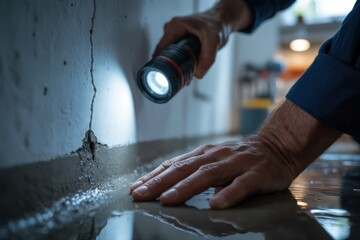
Concrete construction also emphasizes repair, maintenance, and reinforcement. Even the strongest concrete can develop cracks, chips, or surface wear over time due to environmental exposure, heavy loads, or improper installation. Professional concrete construction services include techniques for repairing and reinforcing damaged areas. These may involve crack filling, resurfacing, or complete replacement of specific sections. Early detection and timely repair prevent minor issues from escalating into costly structural problems, extending the lifespan of concrete installations and maintaining safety and performance.
Another major advantage of concrete is its adaptability to modern architectural design trends. Contemporary buildings often require custom shapes, textures, and finishes that traditional materials cannot easily provide. Concrete can be poured into molds to create intricate patterns, stamped to resemble stone or brick, or polished for a high-end finish. This flexibility allows architects and builders to implement both functional and visually appealing designs without compromising strength or durability. Decorative concrete continues to grow in popularity for patios, walkways, facades, and interior flooring, providing homeowners and business owners with a versatile and stylish material.
Concrete construction is particularly important in areas prone to extreme weather or environmental stressors. Unlike materials such as wood or asphalt, concrete is resistant to fire, water, pests, and high winds. Properly reinforced concrete withstands seismic activity, heavy rains, and freeze-thaw cycles with minimal damage. This resilience ensures that both residential and commercial properties remain safe and structurally sound over long periods. Additionally, concrete requires less maintenance than many alternative building materials, making it a cost-effective option over the long term.
Project planning is a critical aspect of successful concrete construction. Every concrete project requires careful consideration of load requirements, soil conditions, environmental factors, and intended use. Construction teams often collaborate with engineers and architects to design concrete mixes, determine reinforcement needs, and schedule curing and finishing procedures. This level of detailed planning ensures that the finished structures meet safety standards, perform reliably, and achieve the desired aesthetic. Concrete construction is not just about pouring material; it is a precise process that integrates design, engineering, and skilled craftsmanship.
The installation of reinforced concrete is a key aspect of modern construction. Steel rebar or mesh embedded within the concrete enhances tensile strength and prevents cracking, particularly in high-stress areas such as foundations, columns, and bridges. Reinforced concrete is essential for structures that must endure heavy loads or dynamic forces. Proper placement and alignment of reinforcement are critical for maximizing the material’s strength and durability. In large-scale construction, such as multi-story buildings or industrial facilities, reinforced concrete is the backbone of structural integrity.
Concrete also supports sustainable construction practices. By using environmentally friendly additives, recycled materials, and energy-efficient techniques, construction teams can reduce the environmental impact of their projects. Concrete’s long lifespan reduces the need for frequent replacement, which further minimizes waste. Additionally, its thermal mass properties help regulate indoor temperatures and reduce reliance on mechanical heating and cooling systems. For environmentally conscious property owners and builders, concrete construction offers a combination of durability, efficiency, and sustainability.
Proper curing is another essential step in concrete construction that ensures maximum strength and longevity. Curing involves maintaining adequate moisture and temperature levels for a set period to allow the concrete to harden gradually. Improper or rushed curing can result in surface cracking, reduced strength, or uneven textures. Professionals employ techniques such as water curing, plastic sheeting, or curing compounds to protect concrete during this critical stage. Properly cured concrete is stronger, more durable, and better able to withstand environmental and structural stressors.
To summarize the key indicators that concrete construction may require professional attention, here is another enumerated section outlining common warning signs:
2. Signs That Concrete Requires Assessment or Repair
- Visible Cracks or Fractures – Can indicate structural stress, shifting, or aging, and should be evaluated immediately.
- Uneven Surfaces or Settling – May suggest foundation issues or soil erosion that require corrective measures.
- Spalling or Flaking Concrete – Surface deterioration caused by moisture, freeze-thaw cycles, or poor finishing.
- Water Pooling on Flat Surfaces – Poor drainage can compromise concrete integrity and lead to further damage.
- Discoloration or Staining – While sometimes cosmetic, it can indicate water intrusion or chemical reactions.
- Structural Movement or Bowing – Signs of shifting or instability that may require reinforcement or reconstruction.
- Erosion Around Edges – Can weaken concrete slabs, pathways, or retaining walls if not addressed.
- Deterioration in High-Traffic Areas – Frequent use may accelerate wear, indicating the need for resurfacing or reinforcement.
In conclusion, concrete construction is a cornerstone of modern building practices, offering unmatched strength, versatility, and long-term reliability. From foundational work to decorative finishes, professional concrete construction services ensure that structures are safe, durable, and visually appealing. Proper planning, reinforced installation, curing, and maintenance all contribute to the longevity and performance of concrete structures. By investing in skilled concrete construction, property owners, developers, and builders create lasting results that withstand environmental challenges, heavy usage, and the test of time. Whether for residential, commercial, or industrial projects, concrete remains an essential material for building strong, resilient, and functional structures that meet both practical and aesthetic needs.